Bedding & Materials
Inside Vispring’s Wool-Filled Protector: Breathability, Fit, and Care
A mattress protector is a quietly consequential layer: close to the body, easy to overlook, and most useful when its materials and maintenance suit the way a bed is actually used. Vispring’s Lux Skirted Mattress Protector combines a cotton outer with British wool filling in a fitted design. Here’s what those details can—and cannot—tell you about comfort, airflow, fit, and care.
A discreet layer with a practical purpose
A protector is not a mattress, nor is it intended to transform one into a different bed. Its role is more modest: to place a washable or otherwise maintainable layer between the sleeper and the mattress, helping shield the bed from everyday contact. The right design can preserve a smooth sleep surface and make routine upkeep more manageable. The wrong one may bunch, feel too warm, or introduce a texture that distracts from the mattress beneath it.
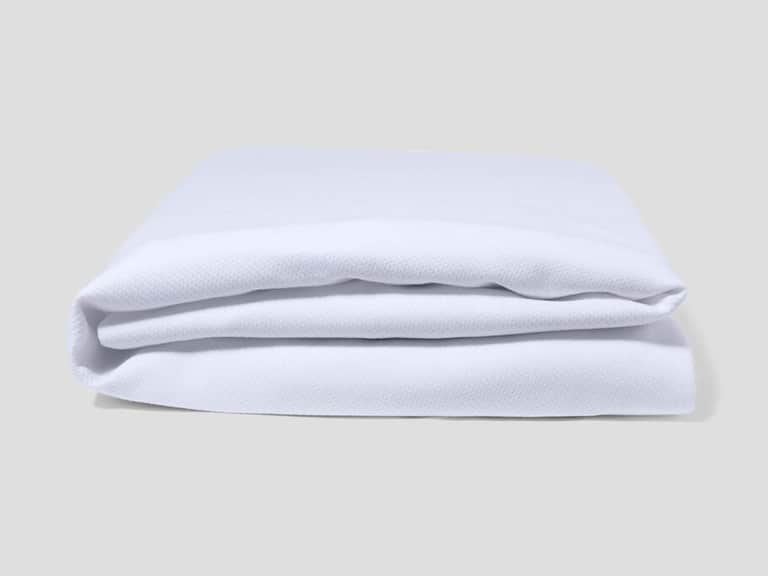
The Vispring Lux Skirted Mattress Protector has a straightforward material story. Its outer is cotton, its filling is British wool, and its fitted construction includes a pocket and a fully elasticated skirt. Those features make it particularly useful to assess as a complete system rather than as a list of attractive fibers. Fabric, filling, fit, and washing instructions all affect whether a protector makes sense for a particular bed and household.
That distinction matters because terms such as “breathable” and “natural” can sound like guarantees. They are better treated as prompts for closer questions. What is the item made from? How is it attached? What does the care label permit? How much of the mattress does it cover? A considered choice depends on those specifics, as well as on personal comfort and the practical realities of laundering.
Cotton on the surface, wool within
Cotton is a familiar bedding textile, valued for its soft, fabric-like hand and its use in sheets, covers, and other layers that sit close to the sleeper. In a protector, the cotton outer is the part most directly associated with the surface feel. How it feels in practice depends on details that may vary between products—such as the fabric’s weave, weight, and finishing—so a fiber name alone cannot describe the entire experience.
Inside the Vispring design is British wool. Wool is used in bedding for its distinctive, resilient fiber structure and its capacity to interact with moisture and warmth. That does not mean every wool-filled protector will feel cool to every sleeper, or that it can regulate temperature in the same way in every room and season. Perceived warmth is shaped by the entire bed: the mattress, sheets, room temperature, duvet, sleepwear, and individual preference all have a part to play.
The combination of a cotton outer and wool filling may appeal to people looking for a natural-fiber layer with a softly quilted character. It may also be worth considering for anyone who prefers a protector that feels like bedding rather than a slick, technical membrane. But material preferences are personal. If you are especially sensitive to texture, warmth, or thickness, the most useful evidence is a chance to inspect or try the item under your usual sheets, alongside clear return and care terms.
Wool-filled construction should not be confused with a waterproof barrier. The product description identifies cotton and wool and describes a quilted protector, but does not specify waterproof performance. If liquid protection is a priority, check the manufacturer’s current specifications directly and look for an explicitly stated waterproof layer. A breathable or natural-fiber description is not, by itself, evidence of spill resistance.
What “breathable” means in context
Breathability is often used as shorthand for a more comfortable sleep surface, but it is not a single, standardized promise about how cool a person will feel. In everyday bedding discussions, the term generally points to how readily air and moisture can move through a material or construction. That movement can be influenced by the surface fabric, the filling, quilting, any backing or barrier, and the layers placed above and below the protector.
A cotton-and-wool construction may be appealing to sleepers who want fibers commonly associated with air and moisture management. Still, no protector can guarantee a particular temperature outcome. A thick duvet, a warm room, a dense mattress cover, or a sleeper’s own preferences may have more influence on the experience than the protector alone. The sensible question is not simply “Is it breathable?” but “How does this layer fit into my whole bedding setup?”
If you tend to wake feeling overheated, consider the full arrangement before replacing a single item. Note whether the room is warm, whether the duvet is seasonally appropriate, and whether sheets or mattress covers feel dense or coated. A protector’s construction is one variable among several. Changing layers one at a time can help you understand what is affecting comfort, rather than expecting a single product to solve a complicated sleep-environment issue.
It is also useful to distinguish airflow from protection. A protector that allows more air movement is not necessarily waterproof, stain-proof, or allergen-proof. Conversely, a waterproof layer may be designed with comfort in mind, but its construction is different from a simple cotton-and-wool quilted pad. Choose according to the protection you need, and verify the exact claims rather than inferring them from the material names.
Fit: the detail that keeps a bed composed
A protector can have appealing materials and still disappoint if it does not fit the mattress securely. The Lux Skirted Mattress Protector is described as a fitted design, with a secure pocket and a fully elasticated skirt intended to help it stay in place. That construction is designed to make installation more straightforward and reduce the likelihood of a loose layer shifting during ordinary use.
Before ordering any fitted protector, compare its dimensions with the mattress. Check the mattress size and, where the manufacturer provides it, the pocket depth or maximum mattress height. Include any topper or additional layer that will remain on the mattress beneath the protector; these can change the total depth the skirt needs to accommodate. A mattress described by its standard size may still be unusually deep, so measuring is more reliable than assuming.
Once fitted, smooth the protector across the surface and check each corner. The elastic should sit comfortably beneath the mattress rather than straining or riding up. Make sure the cover lies flat and that the sheet can still be fitted without excessive tension. A too-tight protector may be difficult to position and could pull free; one that is too loose may wrinkle or shift. A neat fit is not merely an aesthetic preference: it helps keep the sleep surface even and comfortable.
It is also worth confirming how much of the mattress the design encloses. A skirted protector typically secures around the mattress, but the product description should be consulted for details about coverage and construction. If you have an adjustable base, an unusually shaped mattress, or a separate topper, check compatibility before relying on standard assumptions.
Care is part of the material choice
Natural fibers can call for more attentive care than a simple toss-in-the-wash routine. For the Vispring Lux, the stated guidance is to wash monthly on a gentle cycle in cold water with like colors and a natural detergent. The instructions also advise against whiteners or bleach, recommend non-chlorine alternatives if needed, and suggest line drying or tumble drying on low. Fabric softeners and dryer sheets are not advised.
These details deserve a moment before purchase. A monthly wash recommendation may suit a household that can plan regular laundry, but it may be less convenient for someone who needs frequent, high-temperature washing or rapid drying. The product’s care directions are not an incidental footnote: they are part of what it means to live with the protector. Consider whether your washer and dryer can accommodate a bulky quilted layer, and whether you have space to line dry it if that is your preferred method.
Follow the current label supplied with the product, since care directions can be updated and may be more specific than a general online description. Avoid adding bleach, fabric softener, or dryer sheets when the instructions say not to. These products may affect the feel or performance of textiles, and following the manufacturer’s guidance is the clearest way to reduce avoidable wear.
After washing, make sure the protector is fully dry before returning it to the mattress. Drying time depends on the item, the method, and the conditions at home. Do not assume that a surface that feels dry is dry throughout a quilted filling. Proper drying is especially important for thick textile layers, which can hold moisture internally. If a care label gives a specific drying instruction, treat it as the reference point.
A practical checklist before choosing
Rather than letting a single feature make the decision, use a short checklist to connect the product’s construction to your needs. The aim is not to find a universally perfect protector, but a layer you can fit, use, and care for comfortably.
- Confirm the materials. The Lux description specifies a cotton outer and British wool filling. Check the product’s current details if you need a fuller fiber breakdown.
- Measure mattress depth. Account for any topper that will sit underneath, then verify that the fitted pocket and skirt can accommodate the complete arrangement.
- Decide what kind of protection you need. Do not assume a wool-filled quilted protector is waterproof. Look for an explicit claim if spill protection is essential.
- Think about surface feel. Wool filling may add a soft, quilted layer. Consider whether that additional feel is welcome beneath your regular sheets.
- Read the care instructions closely. Monthly gentle washing, low-heat or line drying, and avoiding fabric softener are meaningful parts of the upkeep routine.
- Consider your laundry setup. Check whether your machine and drying space can handle a padded protector without crowding or leaving it damp.
These checks are particularly useful when comparing a wool mattress protector with a thinner cotton cover or a waterproof alternative. Each type has a different purpose and trade-off. A simple cotton protector may offer a lighter hand; a waterproof design may prioritize a barrier against spills; a wool-filled option may bring a more substantial, quilted layer. None is automatically best across every bed, season, or household.
How it relates to sheets and the rest of the bed
A mattress protector sits within a layered system. The mattress provides the underlying support and feel; the protector covers it; the fitted sheet forms the immediate surface for sleeping. Each layer can subtly affect the next. A thicker protector may change how a fitted sheet sits, while a smooth or elasticized design may behave differently from a quilted one. When assessing comfort, consider the complete bed rather than judging the protector in isolation.
For a cohesive setup, check that the fitted sheet has enough depth to accommodate both the mattress and protector. If the sheet pulls tightly across the corners, it may draw the protector out of position. If the bed feels noticeably warmer or more padded after adding the layer, try evaluating the sheet and duvet combination too. Small adjustments can help preserve the character of the mattress while making the bed easier to maintain.
People who change bedding seasonally may also want to think ahead. A wool-filled protector is not a seasonal duvet, but its feel and warmth may be more noticeable alongside heavier winter bedding. In warmer months, lighter sheets and a less insulating top layer may create a different overall experience. Personal comfort is best assessed in context and over ordinary nights, not from material labels alone.
Who might consider a wool-filled protector?
The Lux Skirted Mattress Protector may interest someone who wants a fitted layer made with a cotton outer and wool filling, values a securely skirted design, and is comfortable following its specified care routine. Its construction may also appeal to people who prefer a quilted textile feel over a thin, slick surface. Those are practical reasons to investigate it—not promises that it will suit every sleeper.
It may be less suitable for a person whose first requirement is verified waterproofing, unless the manufacturer confirms that feature. It may also be a less convenient choice for someone who needs a protector that can be washed frequently under a different cycle or dried quickly at high heat. For those priorities, compare the care and protection specifications of alternative designs before choosing.
Anyone with sensitivities to particular fibers should review the full materials information and consult the manufacturer when details are unclear. “Natural” does not mean that a material is automatically appropriate for every individual. Similarly, words such as “breathable” describe a quality people may seek in bedding but do not replace product-specific evidence or personal comfort testing.
The considered choice
The appeal of Vispring’s Lux Skirted Mattress Protector lies in a simple, tactile combination: cotton on the outside, British wool within, and a fitted skirt designed to hold the layer in place. Its details invite a more thoughtful approach to mattress protection—one that considers surface feel, mattress depth, laundering, and the role the protector is expected to play.
Before making a decision, verify the current product specifications and care label, measure the bed, and be clear about whether you need a waterproof barrier or a quilted textile layer. If the materials, fit, and maintenance routine align with your preferences, the protector can become a quietly useful part of a well-composed bed. If they do not, another construction may be a better match. In bedding, the most elegant choice is often the one that works beautifully in the everyday details.
See the Vispring Lux Skirted Mattress Protector details for the listed materials, fitted design, and care guidance.